Juvenile Obesity for the Correctional Nurse
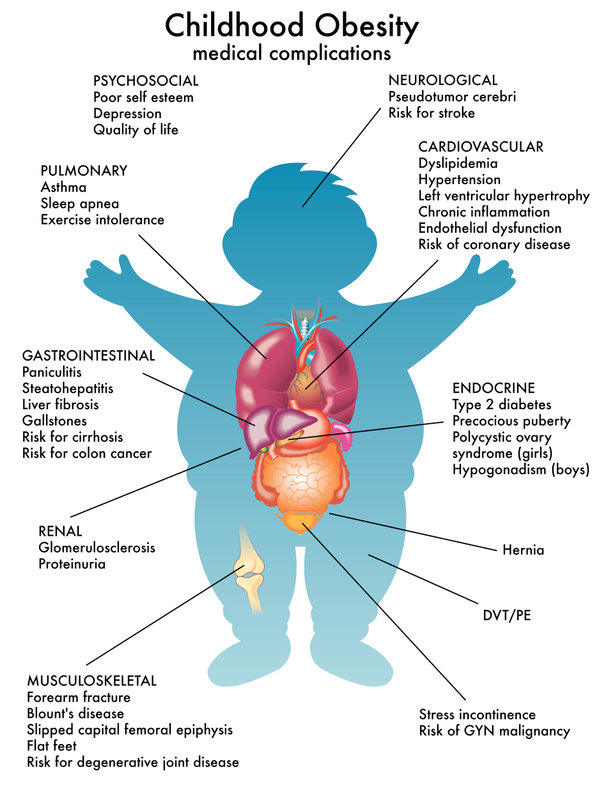
The rate of obesity for children and adolescents in the United States has risen significantly–from 14.5 percent to 17.3 percent overall, making it the most prevalent nutritional disorder among children and adolescents. Research suggests that 16-18% of American children and adolescents are obese, and another 21-24% are overweight. This results from an imbalance of energy – either energy intake exceeding the total energy need of the body, or the energy expenditure is less than the energy intake. Causes include many sociocultural developments in “convenience style” food sources, a decline in proper nutritional awareness, and an enhanced prevalence of sedentary activities, like television watching and computer games. Obesity in children predisposes them to Type II Diabetes and insulin resistance (often termed “pre-diabetes”), hyperlipidemia, renal and liver disease, and reproductive dysfunction. These major health complications resulting from obesity are presenting in increasingly younger patients across all demographics, and they increase the risk of obesity and cardiovascular disease developing when they are adults. The distribution of the obesity statistics can be further analyzed with respect to factors such as familial income and education.
In this class, we will discuss juvenile obesity – its diagnosis and causes, risk factors, serious health conditions associated, and Correctional Nurse interventions.